Call Us: +91 94990 57372

Empowering Children to Reach Their Full Potential

At JH Rehabilitation, we understand that each child is unique, with their own set of challenges and strengths. Our Pediatric Therapy program is dedicated to providing personalized care that fosters growth, independence, and confidence. Through a multidisciplinary approach, we address various developmental, neurological, and physical conditions to help children thrive.

Key Areas of Focus

Physiatry

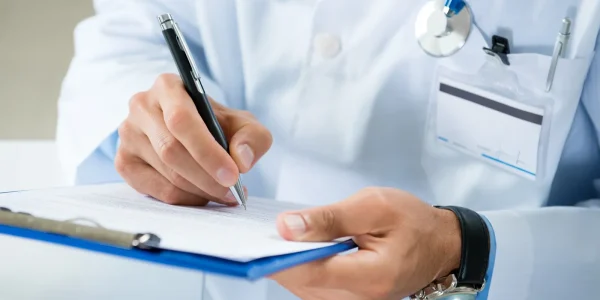
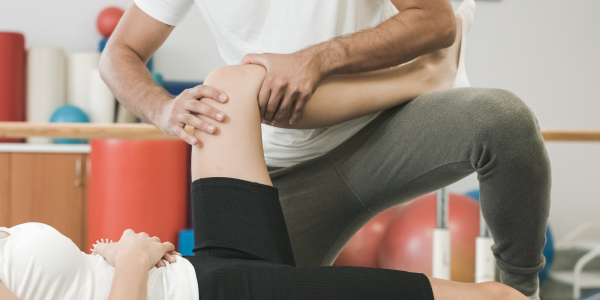
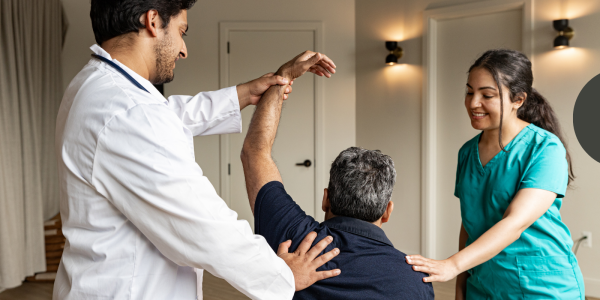
Our physical therapists work to restore mobility, strength, and coordination through: Gait Training: Improving walking ability and balance. Physiatry, or Physical Medicine and Rehabilitation (PM\&R), focuses on improving movement, reducing pain, and restoring function in individuals recovering from injury, illness, or neurological conditions.

In a rehabilitation setting, physiatry typically includes:
WhatsApp Image 2025-07-30 at 1.35.15 PM
Physiatry plays a vital role in helping patients achieve their maximum recovery potential—physically, functionally, and socially.
WhatsApp Image 2025-07-30 at 1.35.15 PM
Physical therapy

Early Intervention for Optimal Development

Early intervention is crucial in addressing developmental delays and neurological conditions. Our team works closely with families to implement strategies that promote cognitive, motor, and social development at the earliest signs of concern.
Physical therapy

Neurological Rehabilitation

Children with neurological conditions such as cerebral palsy, brain injuries, or genetic disorders benefit from our specialized rehabilitation programs. We utilize cutting-edge therapies to enhance neural plasticity and functional recovery.
Advanced Therapeutic Modalities (1)
Emotional Support by doctor indian

Motor Skills Development

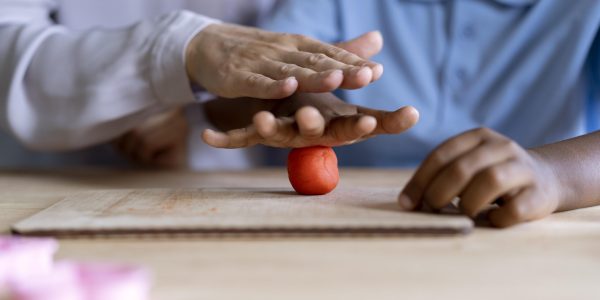
Our physical and occupational therapists focus on improving both gross and fine motor skills. Through targeted exercises and activities, children gain strength, coordination, and confidence in their movements.
Emotional Support by doctor indian

Speech and Language Therapy

Communication is key to a child’s development. Our speech-language pathologists work on articulation, language comprehension, and social communication skills to help children express themselves effectively.
boy-doing-occupational-therapy-session-with-psychologist
1

Cognitive and Behavioral Support

We provide cognitive rehabilitation to address attention, memory, and problem-solving skills. Additionally, behavioral therapy helps children develop coping strategies and social skills, promoting emotional well-being.
1

Our Comprehensive Services

Why Choose JH Rehabilitation?

Expert Team

Our team comprises pediatric specialists, including physiatrists, therapists, and psychologists, all dedicated to your child’s well-being.

State-of-the-Art Facilities

We are equipped with advanced technology and therapy tools to provide the best care.

Personalized Care Plans

Each child receives a customized treatment plan that evolves with their progress.

Family-Centered Approach

We believe in the importance of family involvement in the therapeutic process.

Success Stories

“Thanks to JH Rehabilitation, my son has made remarkable progress in his motor skills and speech. The therapists are compassionate and truly care about his development.” – Parent of a Pediatric Therapy Patient

Get Started Today

If you’re ready to support your child’s growth and development, contact us to schedule an appointment or consultation. Our team is here to assist you every step of the way.

Frequently asked questions

The time needed for stroke recovery depends on how serious the stroke was and the person’s overall health.

  • Mild strokes – recovery may take a few weeks to a few months.
  • Moderate strokes – may take several months to a year.
  • Severe strokes – recovery may take years, and some people may need ongoing or lifelong therapy.

The good news is that the brain can “relearn” lost skills over time through a process called neuroplasticity. Rehabilitation helps speed this up with repeated practice and therapy.

Some people can fully recover, especially if the stroke was mild and treatment started early.

Many people recover partially, meaning they improve a lot but may still have some problems—like weakness on one side, trouble speaking, or balance issues. Some people may have long-term disabilities and need help with daily activities.

Every stroke is different. But early treatment and proper rehabilitation give the best chance for recovery. Managing health conditions like high blood pressure also helps prevent more strokes.

Post-stroke rehabilitation is a recovery process that helps people regain skills and abilities lost due to a stroke. It focuses on improving movement, speech, thinking, and daily activities so that the person can become as independent as possible.

Rehabilitation may include:

  • Physiotherapy – to improve strength, balance, and walking.
  • Occupational therapy – to help with daily tasks like dressing, eating, or writing.
  • Speech therapy – to improve speaking, understanding, and swallowing.
  • Psychological support – to help cope with emotional and memory challenges.

The goal is to improve quality of life and help the person return to normal activities at home and in the community.

Rehabilitation should begin as soon as possible, usually within 24 to 48 hours after the stroke, once the person is medically stable.

Early rehabilitation helps:

  • Prevent complications like stiffness or bedsores.
  • Improve chances of faster recovery.
  • Encourage the brain to relearn lost skills through regular practice.

The earlier rehab starts, the better the outcome. However, it’s never too late to begin—rehabilitation can still help even weeks or months after a stroke.

Yes, many people return to work after a stroke. It depends on your recovery, the type of work you do, and the support you receive. With the right therapy, guidance, and a positive mindset, returning to work is definitely possible. Every step forward in recovery brings you closer to that goal.