An injury to the spinal cord is a nightmare and the Spinal cord injury treatment process is even scarier and difficult to comprehend. But not to worry, while we are here. Post the surgery, the spinal cord injury rehabilitation process is supported by us in the best possible way, with active support from our expert team, during the recovery period. Our paralysis treatment plays an important role in nursing the individual back to good health. We have some of the best neuro rehab services for treating complications of spinal injury.
- Traumatic spinal cord injury
- Ischemic spinal cord injury
- Tumors and metastasis to the spinal cord
- Vascular malformations such as Arteriovenous malformation, aneurysm
- Spinal cord infections
- Auto-immune conditions such as multiple sclerosis, transverse myelitis
- Spondylitic myelopathy (degeneration of the vertebral column)
- Toxic/metabolic causes such as sub-acute combined degeneration of the spinal cord, radiation-induced spinal cord damage, chemotherapy-induced spinal cord damage
This is not an all-inclusive list and any injury or illness that damages your spinal cord can be treated.
Symptoms
The commonly seen spinal injury symptoms in the individuals affected by these conditions are
- Weakness and numbness of the arms and/or legs
- Bladder and bowel dysfunction
- Swallow dysfunction
- Breathing difficulty
Medical Complications
There are medical complications of spinal injury, that can be noted after a few weeks or months after the injury. Some common ones include
- Infections such as Pneumonia and Urinary tract infection
- Venous thromboembolism such as Deep vein thrombosis (blood clot in the veins of your arms and/or legs) or Pulmonary embolus (blood clot in your lungs)
- Pressure ulcers
- Heterotopic ossification – a condition which causes stiffness of your joints
- Nerve pain, as well as muscle, tendon and joint pain
- Spasticity – muscle tightness
- Autonomic dysreflexia – a condition which causes headache, increased flushing and sweating, changes in your blood pressure and heart rate
- Orthostatic hypotension – a condition that causes a decrease in blood pressure with a change in position
- Sexual dysfunction
- Fracture
- Osteoporosis – a condition which causes thinning of bones
HOW JH REHABILITATION CAN HELP
Our comprehensive, interdisciplinary team approach (i.e. care being provided by various disciplines in a coordinated fashion) with Physician (Physiatrist), Physiotherapist, Occupational Therapist, Speech and Language Therapist, Neuropsychologist, Nutritionist and a Nurse can help reduce your symptoms directly related to the injury as well as prevent and treat common medical complications post brain injury. Not all patients will require all services and usually, a combination of these services is required for an individual patient. You will be evaluated at the initial visit to determine what services you require and a tailored treatment plan will be initiated.
PHYSICIAN (PHYSIATRIST)
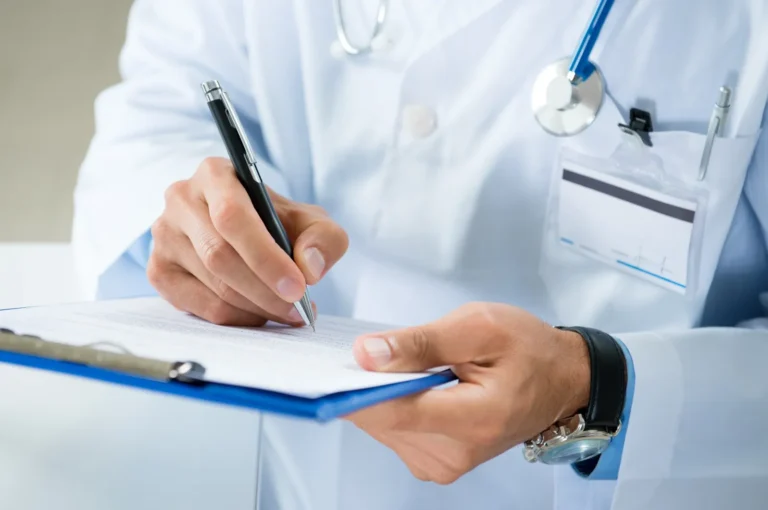
Patients will be evaluated by the Physician first to determine the nature and severity of the medical condition then come up with a treatment plan that best suits them. Depending on the patient’s symptoms and medical complications (listed above), the treatment plan will include recommending therapy services, prescribing medications and performing injections. Medications are commonly prescribed for medical complications as well as to reduce symptoms directly related to brain injury such as arm and leg weakness, muscle tightness, speech impairment, mood and behavior issues, cognitive impairment and impaired arousal. The physician performs injections such as tendon injections, joint injections for joint or muscle pain as well as Botulinum toxin (commonly referred as Botox injections) and nerve block injections to help relieve muscle and tendon tightness.
PHYSIOTHERAPIST
A Physiotherapist will focus on various physical exercises to improve weakness in the arms and legs, improve their walking and balance and to reduce muscle tightness. They might use physical modalities to reduce pain and inflammation, muscle and tendon tightness and prevent muscle atrophy. They can also fit you with an orthosis to reduce muscle tightness as well as improve your walking and arm function.

OCCUPATIONAL THERAPIST
An Occupational Therapist will focus on various physical activities required for daily living for patients with severe physical and/or cognitive impairment and also teach cognitive exercises thereby compensating the cognitive deficits. Visual Training exercises are provided to individuals with visual impairment due to the neurological problem. The final phase of treatment involves patient training for successful community integration (education, employment etc).

NEUROPSYCHOLOGIST
A Neuropsychologist evaluates patients with depression and anxiety, that is commonly seen after any major life-changing illness or injury and guides them through the process of rehabilitation thereby improving their quality of life through motivation and counseling. Performing an in-depth cognitive assessment and planning cognitive re-training exercises and compensatory strategies is also a major treatment aspect of a Neuropsychologist.

NUTRITIONIST
Malnutrition or undernourishment is a common problem in this population. For optimal recovery, a Nutritionist recommends an appropriate intake of nutrition.

REHABILITATION NURSE
A Rehabilitation Nurse trains patients with central nervous system injury to manage their bowel and bladder independently. Performing and training wound care management for patients with pressure ulcers are also handled by a Rehabilitation Nurse.

Expectations of Recovery
Depending on the severity and chronicity (time duration since injury/illness) of the injury/illness, your recovery duration may differ. Complete neurological recovery is often possible if the injury is mild and incomplete. In the case of a moderate to severe incomplete injury or a complete injury, full neurological recovery may not be possible; therefore we will help you be independent and integrate you into the community despite your physical and/or cognitive limitation. If the injury is too severe, then the goal would be to improve your quality of life by helping you be as independent as possible with your day to day living, decrease pain and prevent complications.
Get Started Today
EXCELLENTTrustindex verifies that the original source of the review is Google. Excellent Staffs and Service by Dr.Jacob and his Team ..Posted onTrustindex verifies that the original source of the review is Google. We reached out to JH Rehabilitation Centre for at-home physiotherapy for my father after a stroke. They assigned Ms. Sathya, who has been doing a wonderful job. Within just a few weeks of therapy, my father—who was almost bedridden—has started walking slowly with the help of a walker. Ms. Sathya is now planning ADL training to help him perform basic tasks independently. The results so far have been very encouraging, and we’re hopeful to see even more progress with her expert care. Highly recommend JH Rehabilitation Centre and Ms. Sathya for their dedicated and professional service.Posted onTrustindex verifies that the original source of the review is Google. Wonder ful and very well satisfiedPosted onTrustindex verifies that the original source of the review is Google. "I highly recommend JH Rehab center From the moment we arrived, the staff was incredibly supportive and professional. My therapists was knowledgeable and dedicated, creating a personalized plan that led to remarkable progress in my father recovery. The facilities are clean and well-maintained. Thank you to the entire team for your compassion and expertise!"Posted onTrustindex verifies that the original source of the review is Google. The physiotherapist was highly skilled and accurately diagnosed my problem, providing a clear explanation of the treatment plan." "I've seen significant improvement since starting treatment, and I attribute my quick recovery to their expertise and guidance.Posted onTrustindex verifies that the original source of the review is Google. JH one of the good rehabilitation centre in chennai, therapist are very good and trained, especially speech therapists and occupational therapists (Mr.Perumal) done the good job.Thank you JH Rehab TeamPosted onTrustindex verifies that the original source of the review is Google. Excellent....Showing our latest reviewsVerified by TrustindexTrustindex verified badge is the Universal Symbol of Trust. Only the greatest companies can get the verified badge who has a review score above 4.5, based on customer reviews over the past 12 months. Read more
Frequently asked questions
Symptoms vary based on injury level but may include loss of movement, numbness, tingling, muscle weakness, or bladder/bowel issues.
Early diagnosis and rehab make a big difference. Many people improve strength, independence, and confidence through consistent therapy.
Yes, recovery is possible especially with early rehabilitation. While some spinal cord injuries are permanent, many individuals experience improvements in movement, sensation, and daily function.
Personalized rehab programs, motivation, and support help people lead meaningful, active lives.
A complete injury means there’s no movement or feeling below the injury. An incomplete injury means some signals still pass offering a better chance of recovery.
Even with complete injuries, neuroplasticity and therapy can unlock new abilities.
SCI rehabilitation includes physiotherapy, occupational therapy, mobility training, bladder/bowel training, and emotional support.
Our goal is to help each patient live independently, confidently, and with dignity.
Rehab timelines vary based on injury level and individual response. Some see progress in weeks, others need longer care.
What matters most is steady effort — every small gain builds toward long-term recovery.